


The Holiday Decision Window Starts Earlier Than You Think
You may think the holiday season is prime time for families to research Senior Living options for their loved ones. After all, they're naturally together for family dinners, parties, and get-togethers, so it's the perfect time to talk about what support or living options might make sense going forward.
In reality, many adult children begin this search well before Thanksgiving dinner or the Christmas countdown begins. It often starts much earlier — in late summer or early fall — when small concerns begin turning into bigger questions about safety, support, and what comes next.
By the time families gather for the holidays, many have already started researching communities, comparing options, and reading reviews as they prepare for future conversations. This makes Q3 a critical planning window for Senior Living communities that want more financially qualified leads and stronger occupancy momentum moving into the final quarter of the year.
This guide shows how communities can prepare their marketing, messaging, and lead nurturing during Q3 to improve Q4 outcomes.
RECOGNIZE WHY Q3 MATTERS FOR Q4 OCCUPANCY
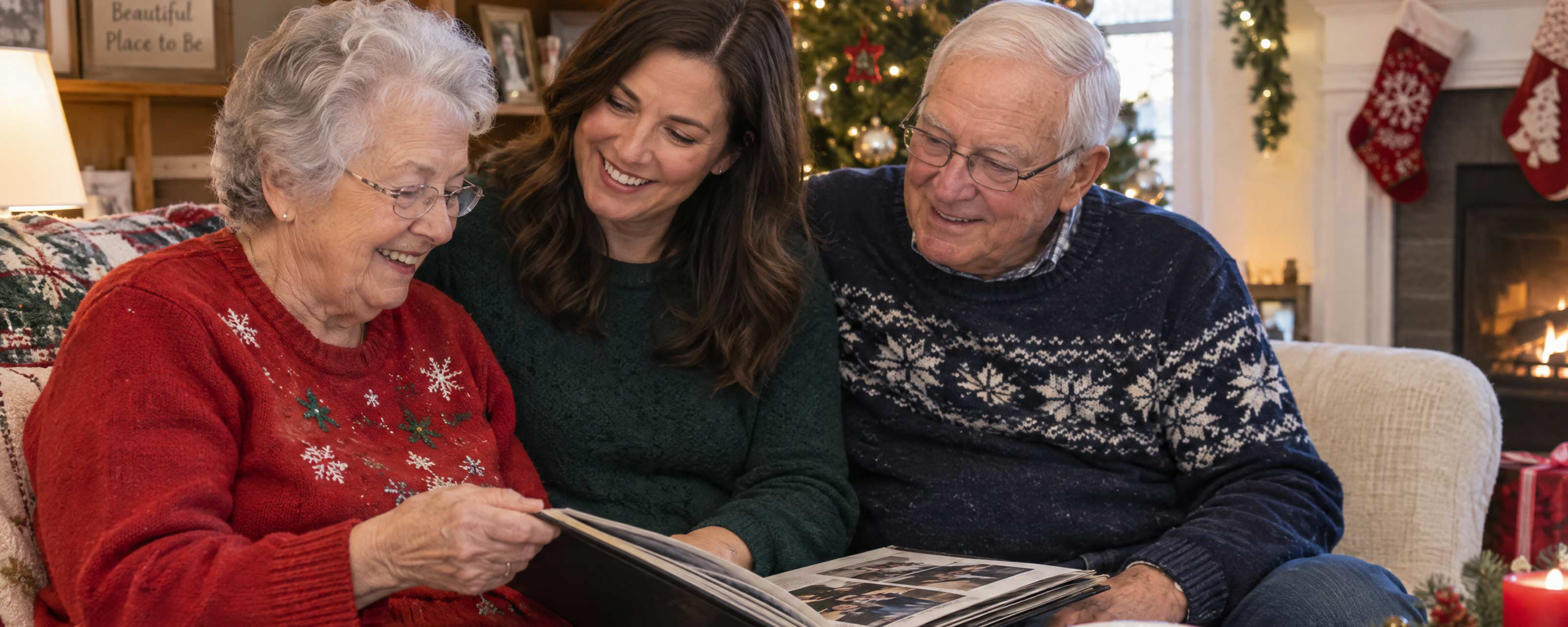
The holiday season has a way of bringing difficult Senior Living conversations to the surface. When adult children spend more time with aging parents, they may notice changes that were easier to miss from a distance, such as difficulty managing a home, mobility challenges, medication concerns, or signs of isolation.
But communities shouldn’t wait until November or December to start marketing for this decision window. By then, families may already be searching online, comparing levels of care, and narrowing their list of communities to contact.
Research and decision-making often involve both prospective residents and adult children, which means messaging needs to address emotional concerns as well as practical questions about care levels, lifestyles, and next steps.
Planning in Q3 gives communities time to build visibility before the decision-making stage. It also gives your sales team the opportunity to align its offers, events, content, and follow-up strategies before year-end conversations begin.
PREPARE CAMPAIGNS BEFORE FAMILIES START SEARCHING
Digital campaigns work best when they're in place before interest peaks. Late summer and early fall are ideal times to create awareness, so you can stay visible as families move from basic research to selecting which communities to tour.
Start by reviewing the channels that help families discover and engage with your community throughout the research process. For example:
- Search ads can capture active intent.
- Social media often builds familiarity and emotional connections.
- Email nurturing provides consistent communication over time.
- Landing pages can make it easier for families to take the next step.
- Retargeting campaigns keep your community visible after someone has visited your website but isn’t ready to reach out.
The goal is not to overwhelm prospective families with promotions. It's to make sure your Senior Living community shows up consistently with relevant information as families educate themselves and begin comparing options.
REFRESH YOUR PHOTOS, TESTIMONIALS, AND MESSAGING
When families begin researching, they should find content that feels current, genuine, and emotionally resonant. Outdated photography or generic copy can create uncertainty and break down trust at the exact moment prospective residents are ready to take the next step.
Before the holiday decision window begins, update your content to include:
- Recent community photos that reflect current resident experiences, amenities, and lifestyles.
- Resident or family testimonials that speak to authentic experiences, emotional connections, and the value of moving to your community.
- Clear messaging around lifestyle options, support, safety, connections, and peace of mind.
- Website copy that speaks to both prospective residents and their loved ones, recognizing that each audience may have different motivations, questions, and concerns.
- Seasonal content that acknowledges common family questions, including how to start the conversation, what signs to watch for, and what steps to take after the holidays.
These steps can help you make a strong first impression and build trust during the critical research phase.
Strong content helps families gain an accurate view of what life is like to live in your community. It also gives adult children confidence as they prepare to talk with parents, siblings, and other family members.
NURTURE LEADS BEFORE THE HOLIDAY RUSH
Not every family that begins researching in Q3 will be ready to schedule a tour right away. Some are quietly gathering information. Others are waiting for an upcoming visit with Mom or Dad. Some may be trying to understand the difference between Independent Living, Assisted Living, Memory Care, or Respite Care before reaching out.
Early lead nurturing helps communities stay top of mind through the rest of the year. Helpful emails, educational guides, checklists, follow-up campaigns, and event invitations can support families who are not ready to tour but are beginning to consider options.
For example, family members who download guides in September could receive a series of relevant follow-ups about signs it may be time for Senior Living, how to compare communities, what to ask on a tour, and how to prepare for family conversations during the holidays.
CREATE URGENCY WITHOUT ADDING PRESSURE
Senior living decisions are deeply personal. Families often need time, empathy, and reassurance before they feel ready to move forward. That's why urgency should feel helpful rather than forced.
Instead of relying on pressure-based messaging, create ongoing momentum with clear, supportive next steps. For instance, you might highlight community tour options, upcoming seasonal events, or helpful resources tied to family conversations. The message should be simple: if your family is beginning to think about Senior Living, we're here to help you understand your options.
When urgency is paired with empathy, families are more likely to feel guided rather than rushed. That distinction matters, especially when adult children are balancing concern for a parent with the emotional weight of change.
PLAN AHEAD WITH FIVE19
FIVE19 helps senior living communities prepare before the holiday decision window begins. From campaign planning and website updates to messaging, lead nurturing, and new content, FIVE19 can help communities build a stronger foundation before prospective families enter a more active research phase. Photography, testimonials, and digital strategy can also help keep your marketing current, credible, and engaging through the end of the year.
Preparing early allows your community to assist families when they're still gathering information, stay top of mind as conversations develop, and increase qualified lead volume through the end of the year. Instead of reacting to Q4 demand, your team can enter the season with a clear plan, stronger content, and a more intentional nurture strategy.
BUILD YEAR-END MOMENTUM WITH FIVE19
From digital campaigns to website updates to lead strategy, FIVE19 helps Senior Living communities stay visible when prospective residents are ready to take the next step. Connect with FIVE19 to develop the right systems for educating prospects and their families throughout the discovery, research, and conversions stages.


